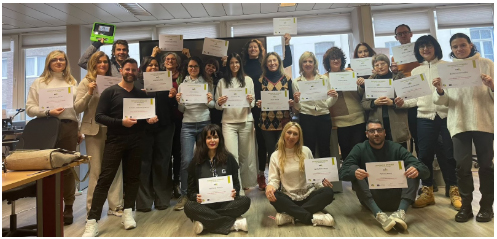
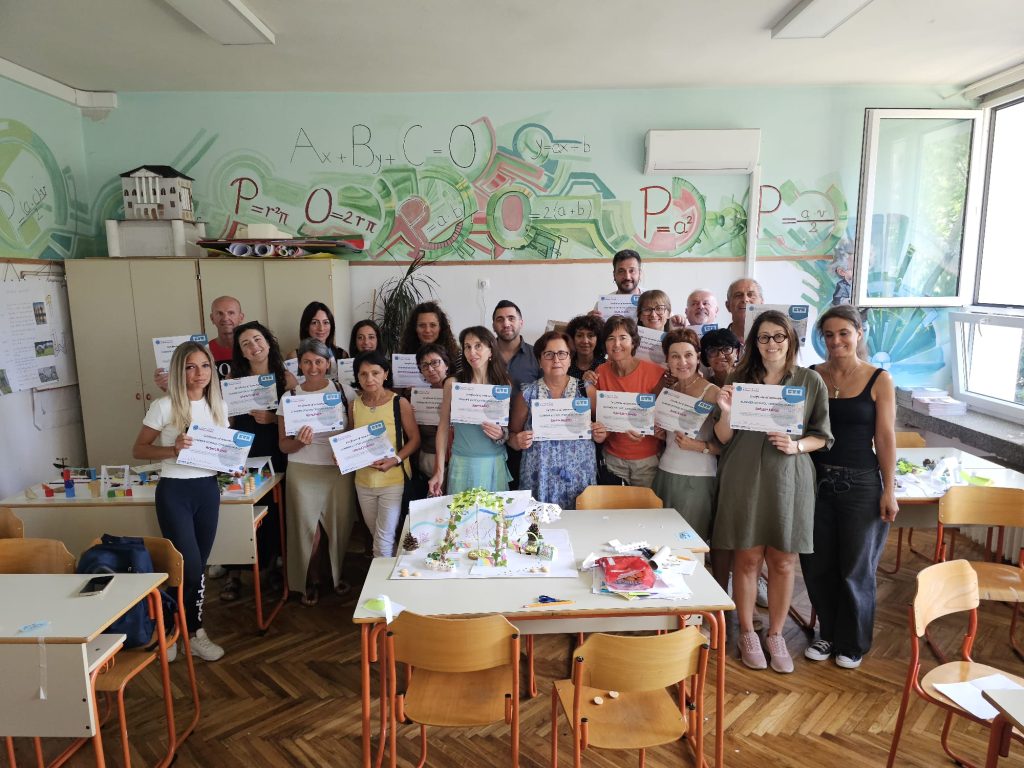
Summer School Erasmus+ 2025 a Crikvenica (Croazia) dal 13 al 20 luglio 2025
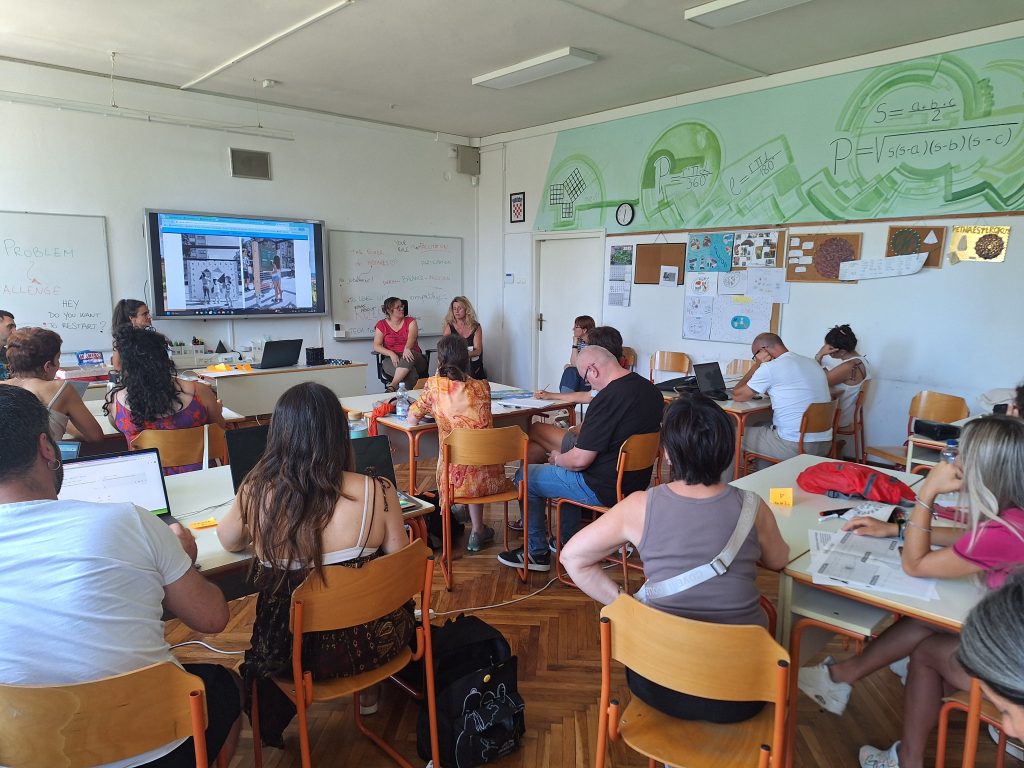
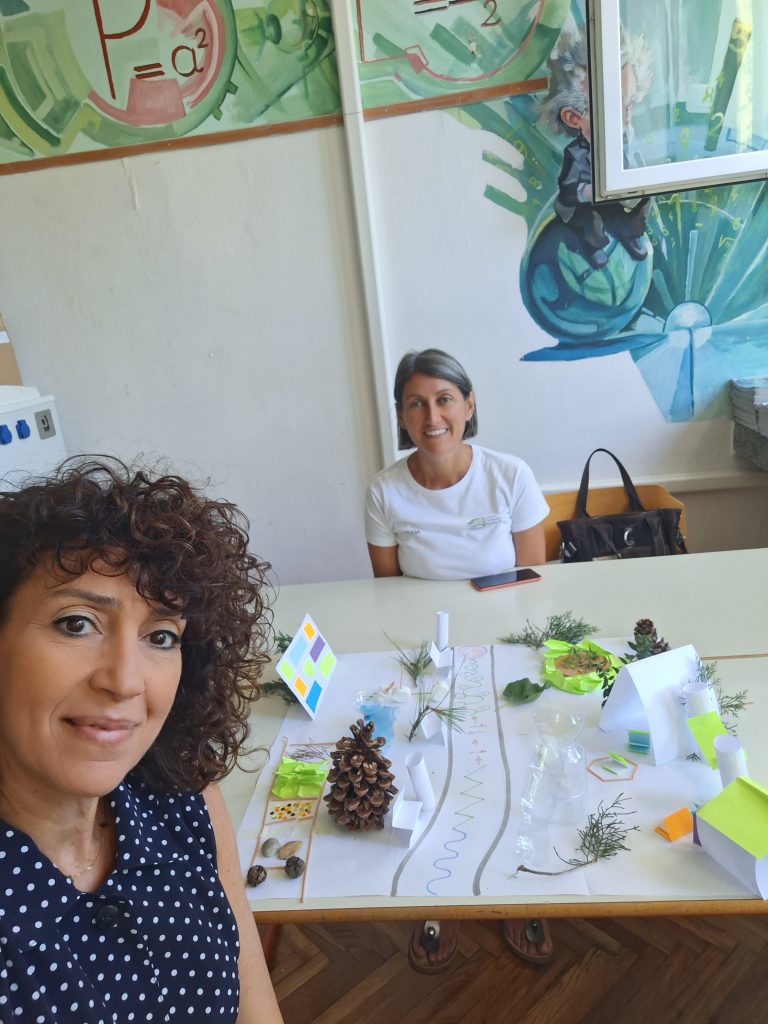
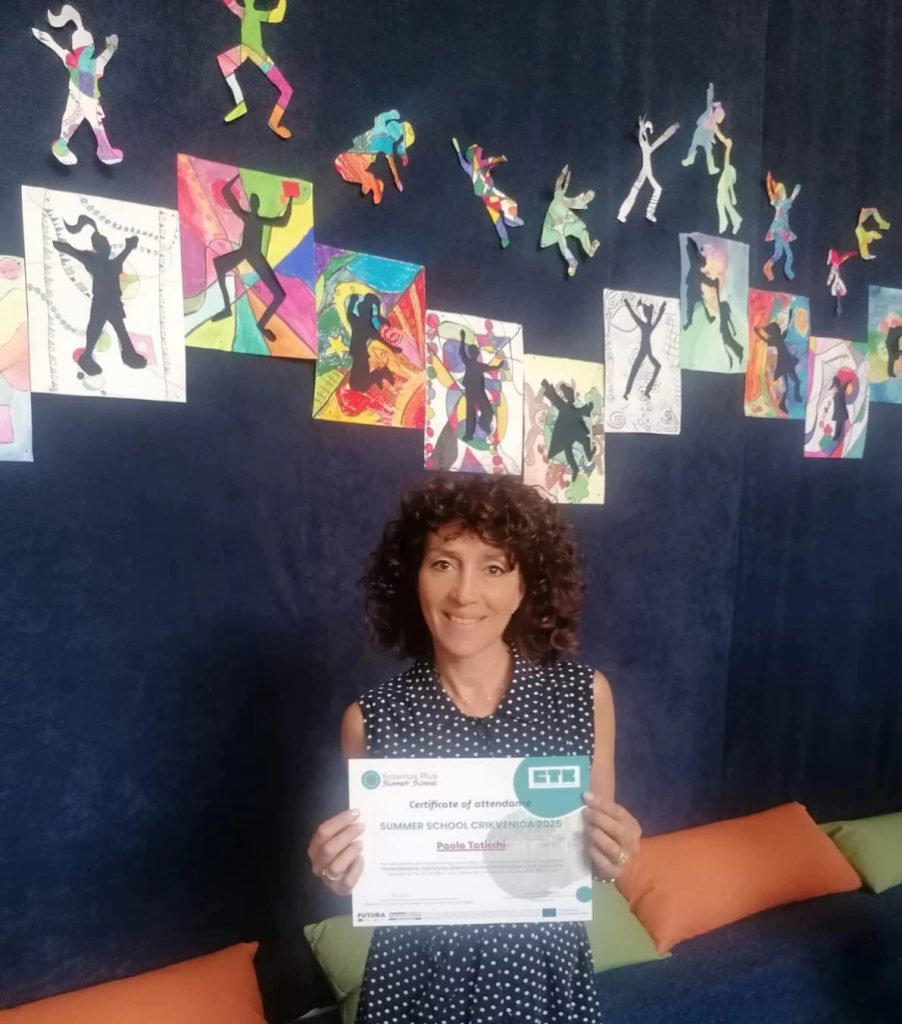
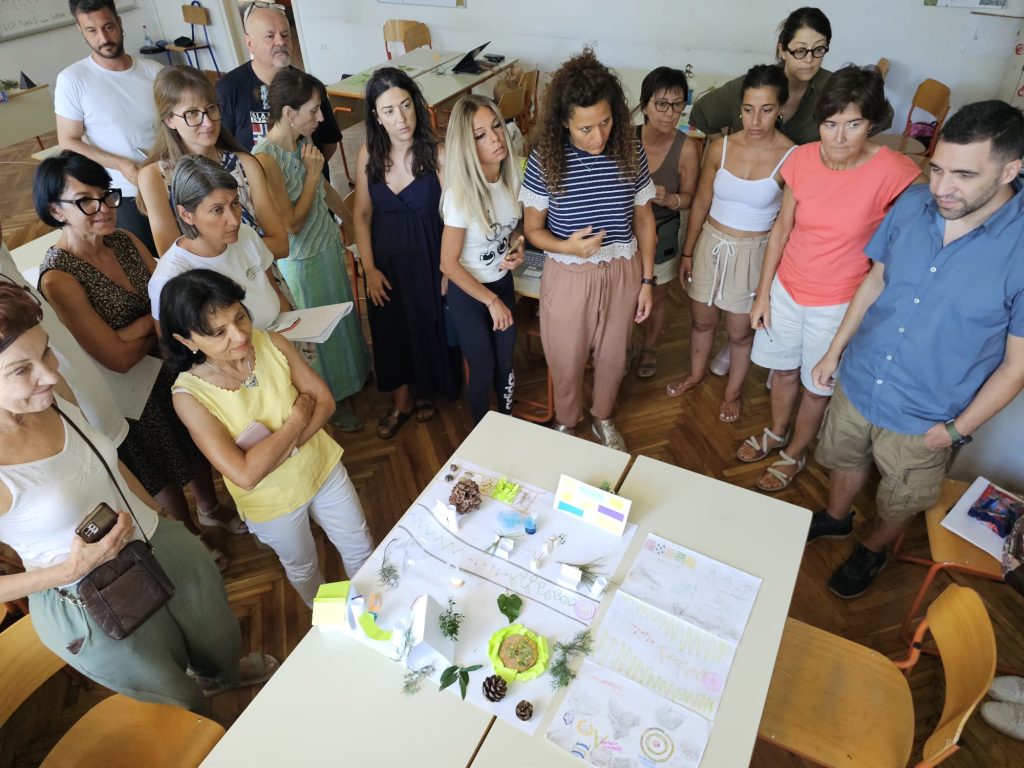
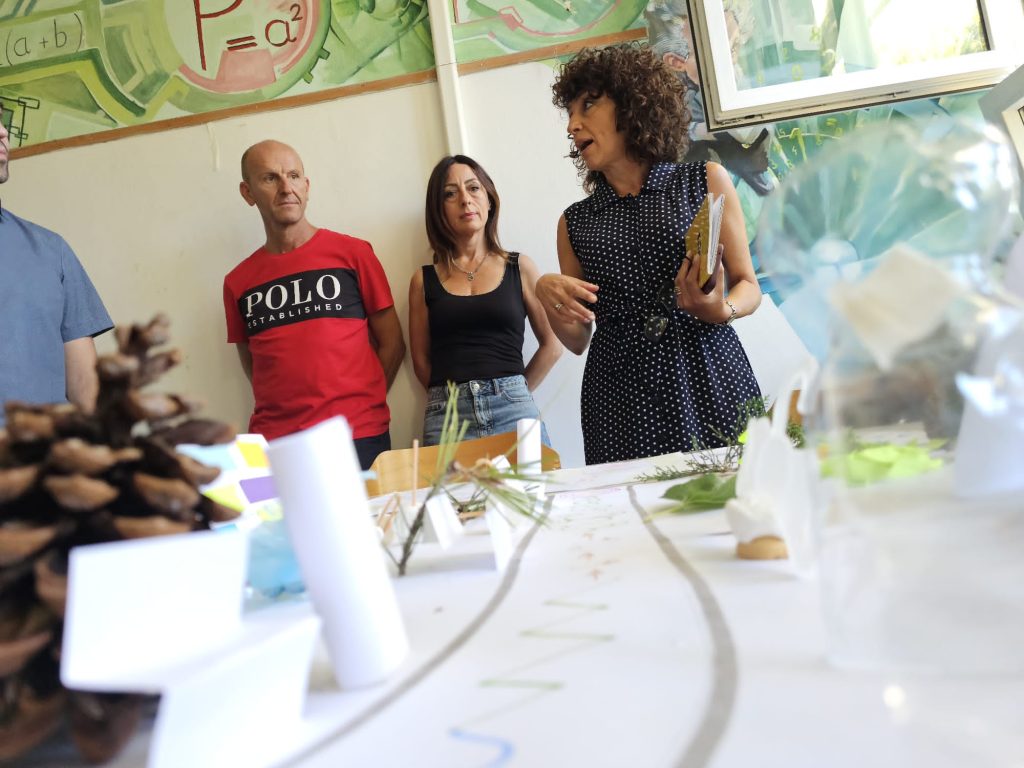
L’esperienza ha visto coinvolta una docente della scuola primaria “Luigi Masi” di Petrignano che ha partecipato al corso di formazione “Environmental and Social innovative practices in educative contexts”.
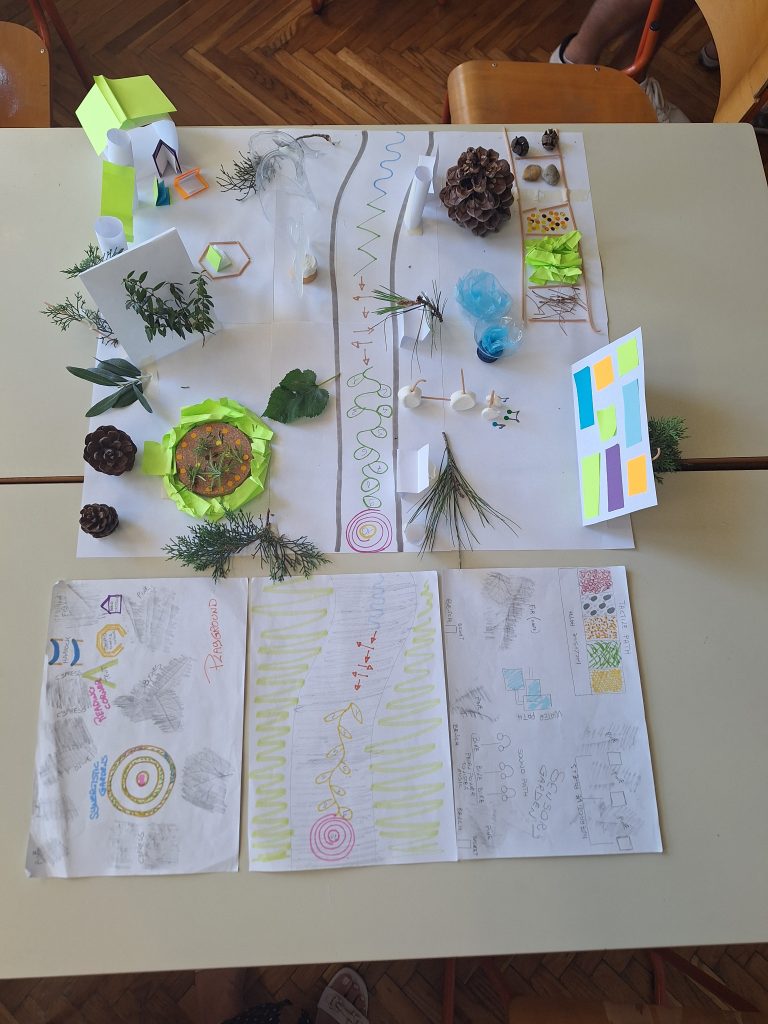
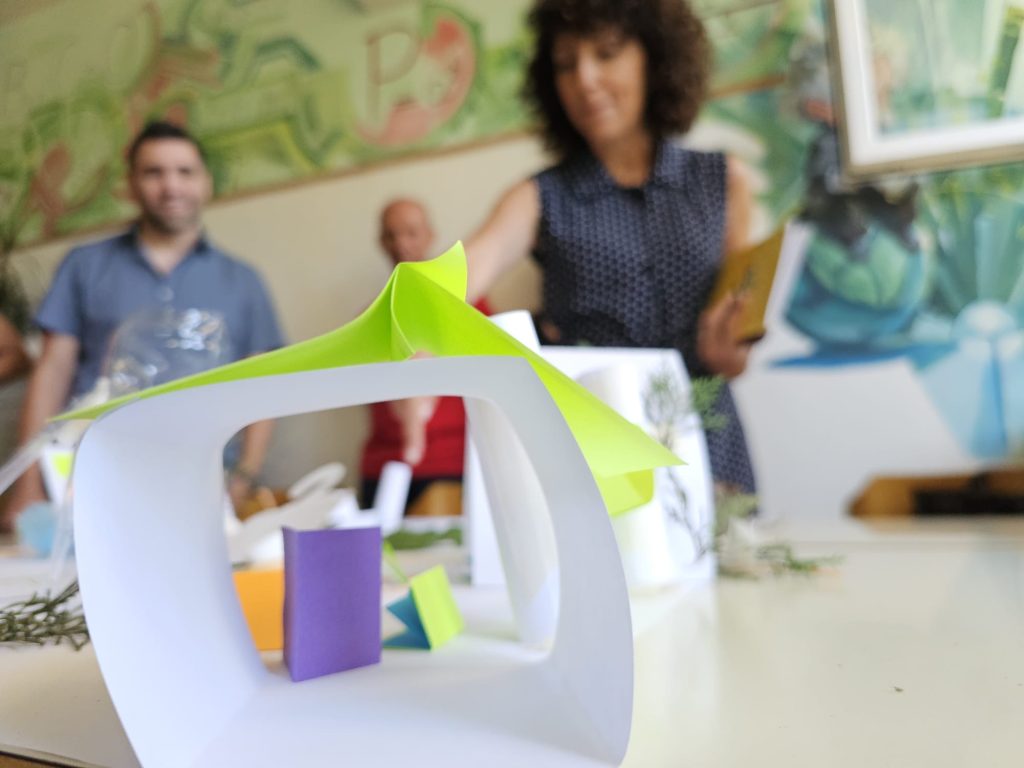
Ha avuto come focus l’approfondimento del metodo Design Thinking, un approccio alla risoluzione dei problemi che enfatizza l’empatia, la creatività e la sperimentazione, ponendo lo studente al centro del processo di progettazione. Si tratta di un metodo iterativo e non lineare, che mira a generare soluzioni innovative, utili e fattibili, adattandosi alle esigenze specifiche degli utenti. Pone un forte accento sulla comprensione profonda dei bisogni, desideri e comportamenti, incoraggia la generazione di un’ampia gamma di idee e soluzioni, senza limitazioni iniziali, si basa sulla creazione di prototipi e sulla sperimentazione rapida per testare e validare le idee proposte.
In sintesi, il design thinking offre un approccio olistico, centrato sugli studenti per innovare e creare soluzioni efficaci e significative.
L’approccio interdisciplinare richiama le STEM, un rinnovamento nel processo di insegnamento che tende a operare seguendo problemi da risolvere e abbattendo i confini tra le varie discipline.
E’ un ottimo supporto per strategie di apprendimento attivo, quali la didattica laboratoriale in ottica di problem solving.
Bruxelles 2025 activities at MAKS center
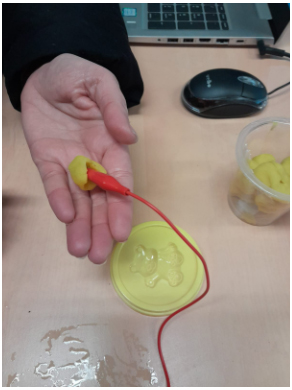
During the project, we used Makey Makey and Scratch to develop an interactive game, stimulating the creativity and hands-on learning of the participants. The main goal was to create a playful experience in which programming, physical interaction, and gaming came together to offer an original and engaging product. (Fig.1)
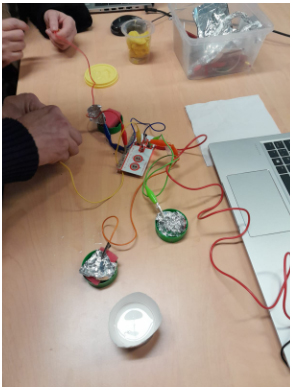
Makey Makey was used as the physical interface for the game. We explored objects like makeshift keyboards and controllers, using common materials (such as fruit, aluminum foil, and plastic) to create “keys” that interacted with the computer. Thanks to Makey Makey, players could press physical objects, which were then recognized by the software and triggered actions in the game. This allowed us to transform everyday objects into interactive gaming tools, creating a physical and immersive experience.
Scratch was used to program the actual game. We created characters, backgrounds, and game mechanics using visual programming blocks, defining the actions that the characters would perform in response to physical interaction through Makey Makey, such as jumping, moving, or collecting objects. The programming was structured so that each physical “key” corresponded to a specific action in the game, offering a dynamic and customizable experience (Fig.2)
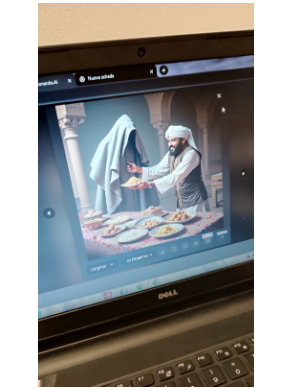
Another innovative aspect of the project was the use of artificial intelligence to create songs and stories. Using AI tools, we generated melodies and lyrics, which were then integrated into the interactive stories. Artificial Intelligence allowed us to explore new ways of musical composition, enriching the narratives with unique and personalized sounds (Fig.3).
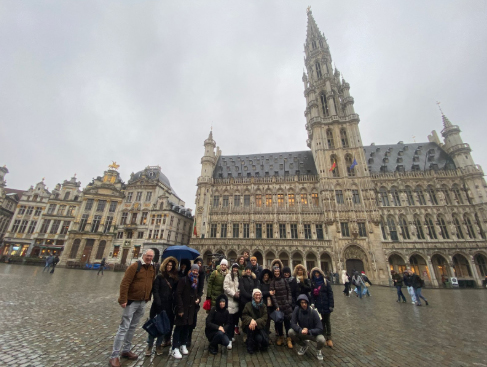
At least we visited the city (Fig.4 to 7).